If you are thinking about upgrading to a modern deadbolt, start with a service that understands door frames, strike plates, and the small adjustments that make a lock last. I write from years of hands-on locksmith work and frequent house calls, and this guide collects the practical judgment I use every day. professional deadbolt installation are often faster and more reliable than the DIY route for most people. If you want practical steps and realistic costs, the sections below cover selection, installation, and maintenance.
Choosing the right deadbolt for your door.
A deadbolt's rating matters, but fit and installation quality matter more in real life. If you have glass near the door or a sidelight, a double-cylinder may seem attractive, but it creates egress concerns you should weigh carefully. ANSI Grade 1 locks are the top commercial standard, Grade 2 is solid for homes, and Grade 3 is the least robust but common in basic replacements.
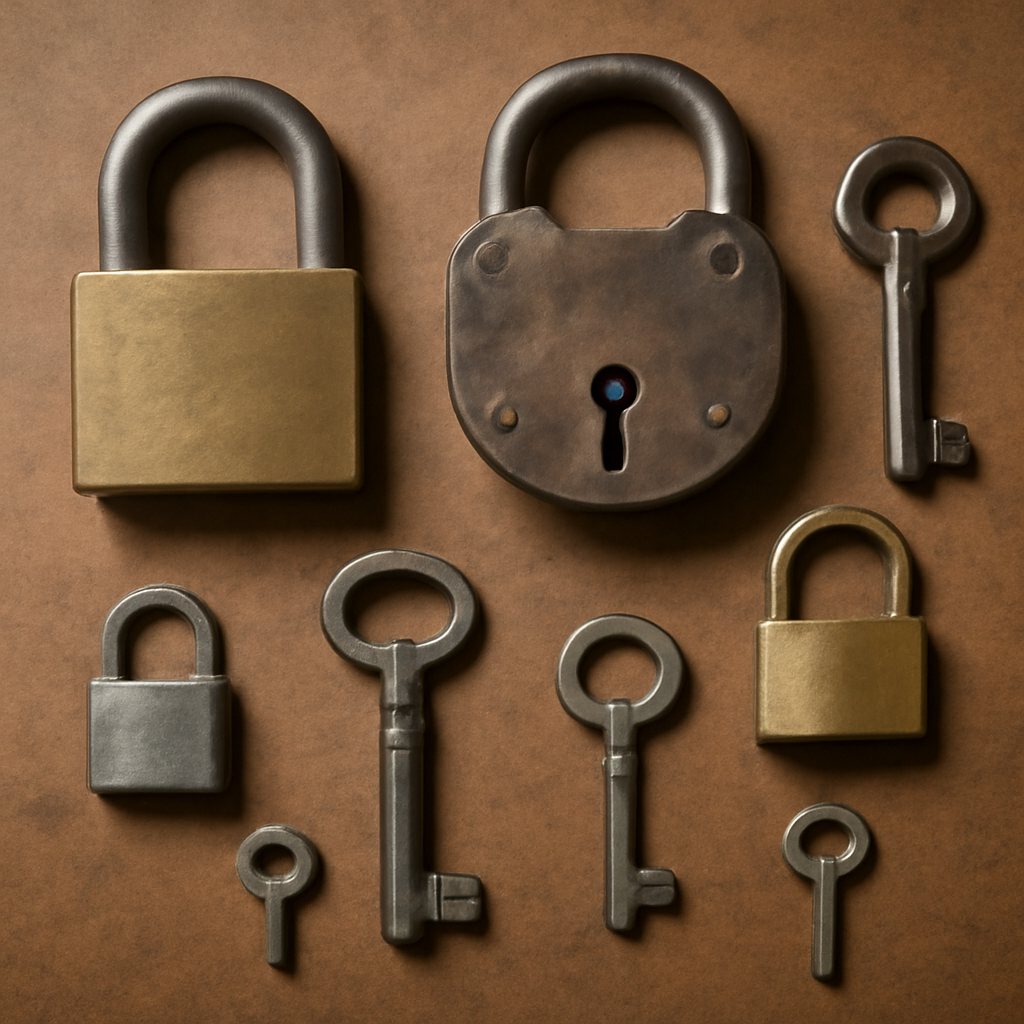
A common mistake is ordering a lock that doesn't match the existing bore or backset, which forces extra carpentry later. Standard backsets are usually 2 3/8 inches or 2 3/4 inches, and doors commonly range from 1 3/8 to 1 3/4 inches thick, so verify those numbers first.
Pre-installation checks that save time.
Before any hardware is installed, examine the door, jamb, hinges, and strike plate so the lock can function properly for years. Look for gaps where the door rubs, hinges that are loose or sagging, and a jamb that has previous large mortises or softwood that won't hold screws well. Swapping a flimsy strike for a heavy-duty box strike and driving long screws into the framing improves resistance to kick-in more than upgrading the cylinder.
Sometimes the strike pocket needs to be chiselled deeper, sometimes the bolt must be lengthened, and these decisions are easier once test-fitted. If you hear a metallic scrape while cycling the bolt, stop and trace the contact area rather than forcing the lock.
How a professional installs a deadbolt properly.
A consistent workflow prevents mistakes, and I follow the same order on every job: prep, mortise, fit, fasten, test. If you or family members have mobility concerns, lower the deadbolt slightly while keeping clearances for the thumb turn. A jig or a factory template saves wood and paint damage; freehand drilling causes oversized or misaligned holes that lead to wobbly locks.
If the existing edge has previous holes or splintering, fill and re-mortise for a solid bearing surface. Those long screws transfer load to the frame, which is the point of strengthening the assembly against forced entry.

Cylinder choice and keys - balancing convenience and security.
Choosing the cylinder is more than brand preference, it's about key control and future rekeying needs. A rekeyable cylinder saves money over time if you change tenants, lose keys, or want to reduce the number of physical keys in circulation. Remember that bumping and picking resistance varies among cylinders, so budget for anti-snap, anti-bump features if you live in an area with higher break-in rates.
Smart deadbolts and electronic options - worth it or overkill?
Smart deadbolts add flexibility, but they also add complexity and battery maintenance to a simple mechanical device. If you install a smart lock https://rentry.co/4hwwd2th on a rental, weigh tenant privacy and the need to manage shared access codes. I've rescinded plans to add electronics until the physical door operation is perfect, because software cannot fix a warped frame.
Costs, timelines, and when to call a pro.
When the jamb needs reinforcement or the door needs trimming, plan on additional labor. Expect cost variations: the lock itself can range from about $40 for a basic Grade 3 unit to several hundred for Grade 1 or smart models, plus labor if you hire a locksmith. Professional locksmiths carry the right templates, long screws, and drill bits so you do not have to improvise with the wrong tools.
What often goes wrong and how I correct it.
A door that looks fine until someone leans on it is typically held together by cosmetic fixes that fail under stress. If the bolt is hitting the strike at an angle, I adjust the strike vertically or deepen the pocket incrementally until the bolt moves freely. A properly staged rekeying operation with labeled new keys removes doubt and improves security quickly.
How to care for your deadbolt.
A deadbolt needs little maintenance but benefits from an annual check of screws, lubrication, and cylinder operation. If a key becomes stiff, stop forcing it and clean the keyway or consult a locksmith before the cylinder is damaged. Loose knobs or wobble in the cylinder flange indicate set screws need checking or the faceplate is not tight.
Assessing edge cases and trade-offs.
If the door is original to a 1970s house with a soft, split jamb, replacing the bolt without addressing the frame is a short-term fix. Upgrading to a reinforced jamb and matching high-security cylinders makes sense when you want long-term deterrence, especially on primary entrances and sliding doors. If you live in a multi-unit building, coordinate changes with building management to ensure master-key systems and access plans remain consistent.
Final testing and what a good installer guarantees.
If any test fails, I adjust before leaving because callbacks cost more time than finishing the job right. Keep the invoice and key counts with your home records for future rekeys or resale. If you want to schedule a checkup, look for licensed, insured technicians who carry the correct templates and can explain trade-offs plainly.
Locksmith in Orlando, Florida: If you’re looking for a reliable locksmith in Orlando, FL, our company is here to help with certified and trustworthy locksmith services designed to fit your needs.
Locksmith Orlando | Locksmith Unit
- Address: 3725 Conroy Rd, Orlando, FL 32839, United States
- Phone: +1 407-267-5817
- Hours: Open 24 hours
- Website: locksmithunit.com
- Contact Us: Contact Locksmith Unit Orlando, FL
- About Us: About Locksmith Unit Orlando, FL
Connect with us
- Google Business Profile: Locksmith Orlando | Locksmith Unit on Google Maps
- Facebook: Locksmith Orlando | Locksmith Unit on Facebook
- Instagram: Locksmith Orlando | Locksmith Unit on Instagram
- YouTube: Locksmith Orlando | Locksmith Unit on YouTube
- TikTok: Locksmith Orlando | Locksmith Unit on TikTok
- X (Twitter): Locksmith Orlando | Locksmith Unit on X (Twitter)
- LinkedIn: Locksmith Orlando | Locksmith Unit on LinkedIn
- Pinterest: Locksmith Orlando | Locksmith Unit on Pinterest
- Threads: Locksmith Orlando | Locksmith Unit on Threads
- Blogger: Locksmith Orlando | Locksmith Unit on Blogger
- Tumblr: Locksmith Orlando | Locksmith Unit on Tumblr
- Bluesky: Locksmith Orlando | Locksmith Unit on Bluesky
- Band: Locksmith Orlando | Locksmith Unit on Band
- VK: Locksmith Orlando | Locksmith Unit on VK
- Yelp: Locksmith Orlando | Locksmith Unit on Yelp
Worldwide Brand Profiles
- Medium: Locksmith Unit on Medium
- Instapaper: Locksmith Unit on Instapaper
- Diigo: Locksmith Unit on Diigo